Quick Answer
Quality CBD comes from US-grown organic hemp, uses CO2 extraction, has third-party lab reports (COAs), contains natural ingredients, and costs $0.05-$0.15 per mg. Red flags: imported hemp, no extraction method listed, missing lab reports, artificial additives, and prices that seem too good to be true.
The Wild West of CBD
The CBD market is booming, but it's also flooded with inconsistent products. A study by the FDA found that many CBD products on the market don't contain the amount of CBD claimed on the label. Some contain none at all, while others are contaminated with pesticides or heavy metals.
So, how do you ensure you're buying a product that is safe, effective, and worth your money? Here are the 5 key indicators to look for.
1. Source of Hemp: USA vs. Imported
High Quality: Sourced from organic farms in the USA (like Colorado, Oregon, or Kentucky) or Europe. These regions have strict agricultural regulations. Low Quality: Sourced from mass-produced industrial hemp in countries with loose regulations, where the soil may be contaminated with heavy metals.
Why it matters: Hemp is a "bio-accumulator," meaning it absorbs everything from the soil—good and bad. If it's grown in toxic soil, those toxins end up in your oil.
2. Extraction Method: CO2 vs. Solvents
High Quality: CO2 Extraction. This method uses pressurized carbon dioxide to pull CBD from the plant. It's clean, safe, and leaves no toxic residue. Ethanol extraction is also a respectable, safe method for full-spectrum products. Low Quality: Hydrocarbon Extraction (using butane, propane, or hexane). These are cheap industrial solvents that can leave dangerous residues behind if not purged correctly.
Tip: If a brand doesn't state their extraction method, ask them. If they won't tell you, run.
3. Third-Party Lab Testing (COAs)
High Quality: The brand publishes up-to-date Certificates of Analysis (COAs) from an independent, ISO-certified lab for every batch. These reports verify potency and screen for pesticides, heavy metals, and solvents. Low Quality: No lab reports available, or reports that are old, blurry, or from an in-house lab.
Red Flag: If a product claims to be "1000mg CBD" but the lab report says "500mg," it's a scam.
4. Ingredients: Clean vs. Cluttered
High Quality: A short, recognizable ingredient list.
- Example: Organic MCT Oil, Full Spectrum Hemp Extract, Natural Peppermint Oil. Low Quality: A long list of unpronounceable additives, artificial colors (Red 40, Yellow 5), corn syrup, and preservatives.
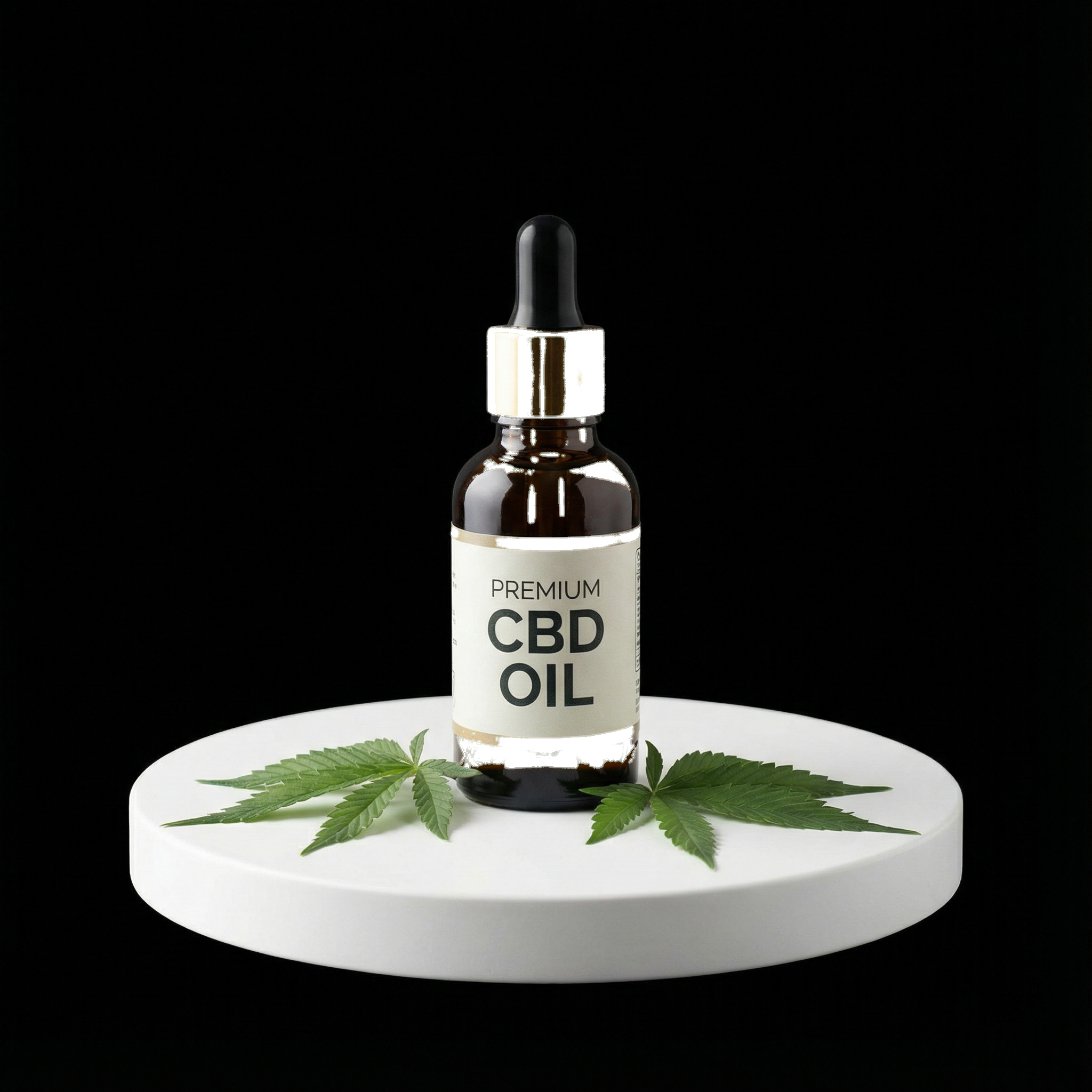
Note: High-quality CBD oil should look like oil—golden or dark green. It shouldn't be clear like water (unless it's a nano-emulsion) or thick like sludge.
5. Price: Too Good to Be True?
High Quality: Producing premium CBD is expensive. Expect to pay $0.05 - $0.15 per mg of CBD. Low Quality: If you see a "10,000mg" bottle for $20 on Amazon, it's fake. Real hemp extract costs money to grow, extract, and test.
The Checklist
Before you buy, ask these questions:
- Is the hemp US-grown and organic?
- Is it CO2 extracted?
- Is there a recent COA available?
- Are the ingredients natural?
- Is the price realistic?
By sticking to these standards, you protect yourself and ensure you get the therapeutic benefits you're paying for.
Comments
Comments powered by Disqus.
